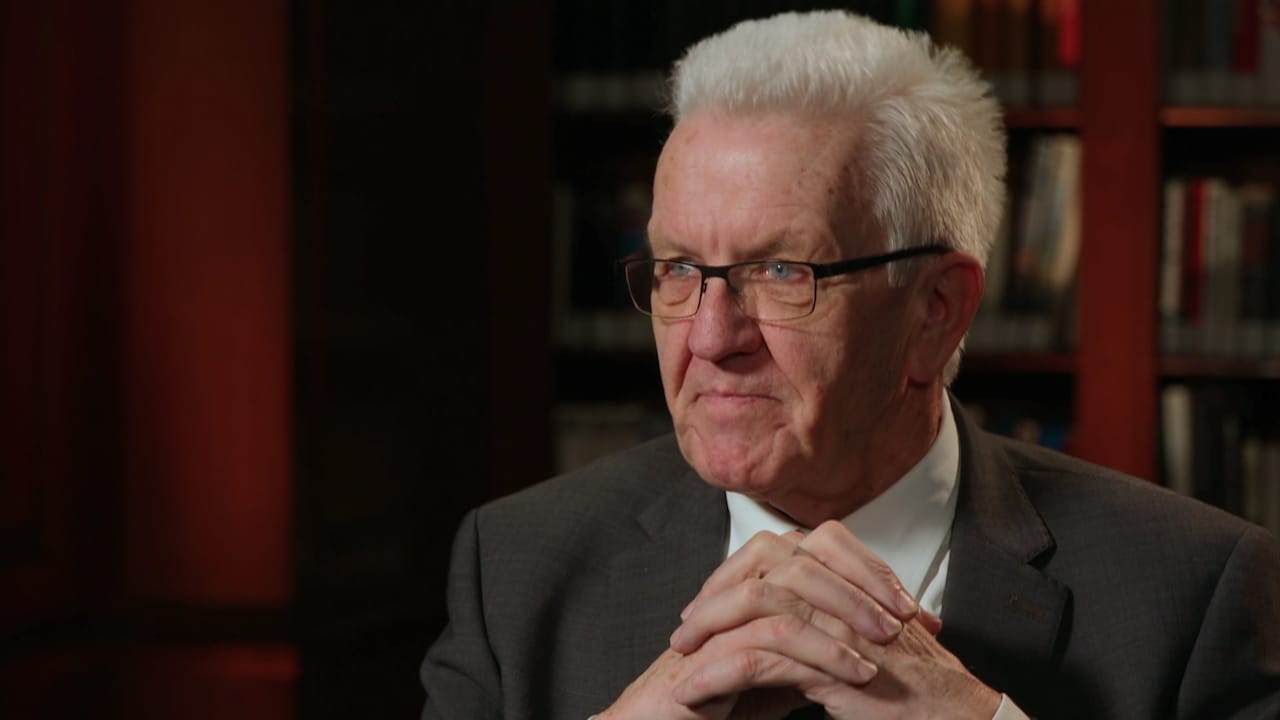
Kretschmann's Push: Navigating Security, Asylum, and Green Party Ideals
Winfried Kretschmann, the long-serving Minister-President of Baden-Württemberg and Germany's sole Green Party state premier, has once again ignited a robust national debate, advocating for a significant shift in Germany's asylum policy. His recent vocal support for designating Tunisia, Morocco, and Algeria as "safe countries of origin" stems from deep concerns over what he describes as the "criminal energy" emanating from groups of young men from these regions. This pragmatic, security-focused stance places Kretschmann at odds with his own party's traditional humanitarian principles, highlighting a critical tension within German politics between urgent security needs and established asylum protections.
Kretschmann's position is a complex blend of an experienced leader grappling with real-world challenges and a Green politician trying to navigate evolving societal expectations. The question of how Germany manages asylum applications and integrates newcomers, particularly Winfried Kretschmann's tough stance on youth offenders, remains a defining issue, and his renewed call for action underscores the pressure on policymakers to find effective solutions that balance compassion with public safety.
The Demand for "Safe Countries": Expedited Procedures and Divergent Views
At the heart of Minister-President Kretschmann's latest initiative is the proposal to declare the Maghreb states – Tunisia, Morocco, and Algeria – as safe countries of origin. He has explicitly stated that "Baden-Württemberg will agree to the expansion of safe countries of origin to include the aforementioned Maghreb states, provided the federal government brings the matter before the Bundesrat." This declaration, if enacted, would significantly streamline and accelerate asylum procedures for individuals from these nations. Typically, migrants from countries designated as "safe" have a substantially diminished chance of being granted asylum in Germany, as it is presumed they face no political persecution in their home countries.
Kretschmann's journey to this position has been noteworthy. Initially, he hesitated to endorse such a classification, citing concerns about human rights, particularly the treatment of homosexual individuals in these countries. However, his stance has evolved, with a clear signal of approval emerging as early as last June. This shift reflects a deepening conviction that the benefits of accelerated procedures – primarily reducing the burden on Germany's asylum system and facilitating swifter deportations of those without a right to stay – outweigh the previous reservations.
For a country like Germany, which has grappled with large numbers of asylum applications in recent years, the concept of safe countries of origin offers a potential tool for managing migration flows more efficiently. It aims to focus resources on individuals genuinely fleeing persecution, while expediting the return of those whose claims are unlikely to succeed. However, critics argue that such designations can overlook individual cases of persecution and may not fully account for all human rights abuses within a country.
Addressing "Criminal Energy": Youth, Security, and Societal Impact
A central tenet of Kretschmann's argument is his explicit concern over the "criminal energy that emanates from groups of young men from these states." He insists this phenomenon is "worrying and must be combated with all consequences." This candid assessment, coming from a leader of the Green Party, known for its emphasis on social integration and human rights, has sent ripples through the political landscape. His focus on Winfried Kretschmann: Young Men's Crime and Green Party Rift highlights a nuanced approach that seeks to differentiate between genuine asylum seekers and individuals engaged in criminal activities.
The discussion around "Gefährder" – individuals deemed a significant threat to public safety – further underscores Kretschmann's security-first perspective. Following high-profile security incidents, including the Berlin terror attack, he emphasized the urgent need to "rethink our approach to so-called Gefährder." He pointed out that Baden-Württemberg has consistently drawn lessons from past attacks, strengthening its security forces. This unwavering commitment to enhancing internal security measures is a hallmark of his leadership, reflecting a pragmatic realism often unexpected from a Green politician.
Practical Implications and Solutions: When addressing issues of youth crime and public safety, a multi-faceted approach is essential:
- Data-Driven Analysis: It's crucial to distinguish between anecdotal evidence and systematic data on crime rates linked to specific demographics. Understanding the root causes of crime, whether socio-economic, integration-related, or individual, is paramount.
- Preventive Measures: Investing in robust integration programs, language courses, vocational training, and social support for young migrants can significantly reduce the likelihood of criminal activity. Early intervention and mentorship programs are vital.
- Effective Law Enforcement: Clear and consistent application of the law, combined with swift and fair legal processes, deters criminal behaviour and reinforces public trust in the justice system.
- Community Engagement: Fostering dialogue and cooperation between law enforcement, community leaders, and migrant organizations can help identify issues early and build bridges, rather than widening divides.
- Consequence for Offenders: For those who commit crimes, consistent and proportionate penalties are necessary, alongside efforts at rehabilitation where appropriate. This includes ensuring efficient deportation for individuals who have no right to stay and commit serious offenses.
Political Tightrope: The Green Party Divide and External Pressures
Kretschmann's stance on safe Maghreb states is not merely a policy proposal; it's a direct challenge to the established position of his own party. The Green Party has historically opposed classifying these countries as safe, primarily due to concerns about human rights records and the potential impact on individual asylum seekers. This internal dissent has become a significant hurdle in the Bundesrat (the Federal Council), where legislation designating these states as safe has repeatedly stalled.
The Bundestag (German parliament) already passed the relevant legislation in May of the previous year. However, for it to become law, it requires the Bundesrat's approval, necessitating a 'yes' vote from at least three states governed by the Greens. So far, this consensus has eluded the federal government, leading to multiple postponements of the vote.
The political pressure on Kretschmann is immense. Stephan Harbarth (CDU), Deputy Chairman of the CDU/CSU parliamentary group, voiced frustration, stating, "Our patience with the Green Party's denial of reality has now run out. It is not enough for Mr. Kretschmann to express his personal opinion." Harbarth demanded that Kretschmann follow his words with action, urging him to ensure his party's support for the legislation. "It is long overdue for the voice of reason to also gain traction among the Greens," Harbarth asserted, pushing the Green Party to "show its true colours" on the issue.
This situation underscores the complex dynamics within Germany's federal system, where state premiers, even from the same party, can hold differing views and exert significant influence on national policy. Kretschmann, with his extensive political experience, including his journey as Winfried Kretschmann jung starting his political career decades ago, understands these pressures acutely. He walks a fine line, balancing the pragmatic needs of governing his state with the ideological demands of his party.
Winfried Kretschmann's Leadership: A Blend of Pragmatism and Principle
Winfried Kretschmann's unique position as a Green Minister-President since May 2011 has been defined by what he terms a "new style of politics," aiming for a process of ecological and social renewal in Baden-Württemberg. Born on May 17, 1948, he grew up in a liberal Catholic household that fostered free thinking and debate, values that have seemingly shaped his independent political spirit. His early life, from attending grammar school in Oberschwaben to completing compulsory military service, and then pursuing studies in biology and chemistry before becoming a teacher in 1977, provided him with a grounded perspective.
His background as a teacher, particularly one focused on science, suggests an analytical and evidence-based approach to problem-solving. This early professional experience, when Winfried Kretschmann jung was interacting daily with young people, likely informs his current concerns about youth-related crime, giving him a direct, albeit dated, insight into the challenges faced by younger generations. This blend of academic rigor, practical educational experience, and deep political conviction has allowed him to carve out a distinct profile within his party, often prioritising what he perceives as essential security and societal stability over strict party dogma.
His leadership style, characterized by a willingness to challenge conventional Green wisdom, makes him a pivotal figure in German politics. He embodies a more centrist, realistic wing of the Green Party, demonstrating that environmental and social concerns can coexist with robust security policies.
Conclusion
Winfried Kretschmann's resolute push to declare Maghreb states as safe countries of origin marks a critical juncture in Germany's ongoing debate about asylum, security, and integration. His argument, rooted in concerns over youth crime and the need for expedited asylum procedures, pits him against his own Green Party and highlights deep ideological rifts within the political landscape. As the Bundesrat continues to deliberate, the outcome will not only impact asylum policy but also test the cohesion of the federal government and the Green Party itself. Kretschmann's journey, from his formative years as Winfried Kretschmann jung to his current role as a pragmatic state leader, underscores a political career defined by a willingness to confront difficult realities and seek solutions, even when they challenge established norms.